
Currently Empty: SGD $0.00
Caring for Cancer Patients
This workshop supports caregivers—whether professional or personal—by providing essential knowledge about cancer, its progression, and emotional aspects.
- Yam Keng Mun
- Caring for People, Working with People

Prefer to learn at your own time?
Try our e-Course.
Try our e-Course.
- Course Overview
Caring for someone with cancer is both challenging and rewarding. This workshop supports caregivers—whether professional or personal—by providing essential knowledge about cancer, its progression, and emotional aspects. You’ll learn to understand the disease, communicate effectively, and offer practical and emotional support. The course also emphasizes caregiver self-care to help you manage stress and maintain your well-being.
Learning Objectives
- Understand the biology and causes of cancer
- Recognize common cancer types and development
- Learn about cancer stages and their significance
- Understand how stages influence treatment and prognosis
- Identify emotional challenges and coping strategies for patients and caregivers
- Develop skills to support daily needs and difficult conversations
- Recognize stressors affecting caregiver health
- Learn self-care techniques and access support resources
Upon completion of the course, participants will be able to:
- Confidently discuss diagnosis and treatment options
- Monitor and report symptoms and side effects
- Support treatment adherence and anticipate care needs
- Prepare emotionally and practically for disease progression
- Communicate effectively with healthcare teams
- Provide empathetic emotional support
- Recognize signs of distress or grief needing professional help
- Facilitate open conversations about fears, hopes, and end-of-life wishes
- Assist with practical needs like finances and care planning
- Practice stress management and relaxation techniques
- Balance caregiving with personal health and social life
Course Duration: 7 hours
- What Others Say?
Posted onTrustindex verifies that the original source of the review is Google. The course content is systematic and progressive. The demonstrations made the learning more concrete. The role play sessions with Orego AI are interesting and useful, so although this is an online course, I am able to practice what I had learned. The 2 different format of quizzes - MCQ and open ended questions gives variety to the method of assessment and also allow the learner to think about his/her responses. The couch sessions are a useful way of having Jeanie on a FAQ without her being present physically. The lady who introduces the varies sessions felt more professional in the last the sessions when she wore a blue demin jacket with short manicured nails and spoke slower. She has made an effort to maintain eye contact with the camera/audience to look more natural. Great job!! I've definitely learned more about Play Therapy from this online course. I can imagine that the in person course will be more engaging and interactive.Posted onTrustindex verifies that the original source of the review is Google. As a teacher, this course really helps me learn how to interact with different types of children. Will definitely recommend anyone to sign up for this course! :)Posted onTrustindex verifies that the original source of the review is Google. Very informative lectures on the topic of play therapy. The way it is taught out is also beneficial for parents to learn and possible to carry it out at homePosted onTrustindex verifies that the original source of the review is Google. Carolyn & Serena, both have done a good job of explaining how to support students with ADHD. Now, I have a better understanding of supporting ADHD students. Thank you very much to the instructors.Posted onTrustindex verifies that the original source of the review is Google. I really learned a lot from the "Supporting students with autism in mainstream school" courses. There are many good tips inside that I can directly apply to my work with my students and I gained a better understanding of them through this course. Ms Cindy Kwa is indeed very professional and experienced. Thank you for sharing your knowledge and expertise through this course.Posted onTrustindex verifies that the original source of the review is Google. Chanced upon this website offering e-courses that were Skills Future fund deductable - and since its based on a set of e-learning at my own pace - i tried out this course - Supporting Students with Autism in Mainstream School (Level 1). Loved how simple the flow of information was for parents like myself to follow, and the trainer - Cindy Kua was very good and clear in all the explanation. I learnt much from it and highly recommend to any parent/caregiver/teacher who would like to better understand students with ASD and their struggles in Mainstream school. Thank you Cindy!Posted onTrustindex verifies that the original source of the review is Google. insightful on the various mediums used to build connection with the client/child
- Course Topics
Module 1. Cancer Basics: Understanding Causes and Development of Cancer
Learn the biology of cancer, causes, types, and how it affects the body. This foundation helps you communicate with healthcare providers and support your loved one effectively.
Module 2. Cancer Stages: Understanding the Progression of Cancer
Understand cancer progression and what each stage means. Prepare emotionally and practically for changing care needs and discuss prognosis with healthcare teams.
Module 3. When No Treatment Is Available: Looking at Emotional Realities Ahead
Explore the emotional realities when treatments are no longer effective. Gain skills to support patients and families through grief, loss, and end-of-life conversations.
Module 4. What Matters to Cancer Patients: Addressing Emotional and Practical Challenges
Focus on the daily challenges faced by patients. Learn to support emotional well-being, manage practical tasks, and handle difficult conversations with empathy.
Module 5. Caregiver Well-being: Taking Care of Yourself
Recognize stressors and learn strategies to maintain your health and resilience. Prioritize your well-being to continue providing compassionate support.
- Trainer Profile
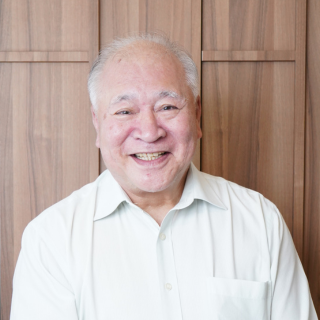
Yam Keng Mun
Mr Yam Keng Mun has been working in different environments helping supervisors and manages develop coaching and mentoring skills. In a previous role as Executive Director of a psychological services clinic, he had assisted organisations to prepare employees for cross-cultural assignments, as well as coping with work stress. Besides organisation changes, he has supported organisations going through critical incidents, such as worksite accidents and unfortunate incidents.Graduated with a Master’s degree in Clinical Psychology, Keng Mun has led groups dealing with depression, and youths who were repeat theft offenders. He helps individuals and families deal with psychosocial issues affecting their relationships too. Keng Mun has also been instrumental helping individuals and families confronted with crises and grief.
Available Funding

NTUC UTAP: NTUC union members enjoy 50% unfunded course fee support, capped at $250 or $500 (aged 40 years old and above)
- Target Audience
- Social Workers, Counsellors and Psychologists
- Palliative Care Staff
- Medical Social Workers in hospitals
- Healthcare Personnel