
Currently Empty: SGD $0.00
Learning Expressive and Embodied Approaches to Overcome Client Resistance in Therapy
A One-Day Experiential Training for Care Professionals
- Gwen Koh
- Trauma

Prefer to learn at your own time?
Try our e-Course.
Try our e-Course.
- Course Overview
As care professionals, we often meet clients—children, youth, or adults—for whom words are not an easy path to connection and healing. Some withdraw into silence, others push back with resistance, and many struggle to express the weight of their experiences, especially when trauma has shaped their lives. These moments can leave us, as practitioners, feeling stuck and searching for ways to connect and support meaningful growth.
Expressive and embodied practices offer another way forward. Rooted in the principles of expressive therapies, this workshop introduces non-verbal pathways—music, rhythm, movement, imagery, and metaphor—that reach clients where words alone fall short. These approaches help access the unconscious, open new insights, and provide pathways to transform patterns of thinking, feeling, and behaving. They foster connection without the pressure of verbal expression.
This one-day experiential workshop equips participants with practical, trauma-informed tools that can be readily integrated into their work. Emphasizing doing as much as knowing, participants will experience first-hand how expressive and experiential practices create safety, curiosity, and connection. Together, we will learn to see beyond behaviours—recognizing them not as defiance but as protective strategies—and create spaces where healing can begin without relying only on words.
This workshop offers practical, immediately usable tools and experiences—equipping care professionals with creative approaches to connect, regulate, and support clients who may not be reached through words alone.
By the end of this training, participants will be able to:
- Understand why talk therapy may not resonate for some clients, reframing resistance as protective strategies and recognizing how experiential approaches can access emotions and memories beyond words.
- Recognize the therapeutic value of non-verbal pathways—music, rhythm, movement, imagery, and metaphor—in supporting regulation and expression.
- Apply simple expressive techniques (e.g., rhythmic grounding, body mapping, symbolic arts, guided imagery, expressive writing) to engage clients safely and effectively.
- Support clients in building emotional literacy and adaptive coping through creative mediums that bypass cognitive barriers, fostering resilience and integration.
- See beyond surface behaviours to underlying needs and nervous system states, adopting a compassionate, trauma-informed stance.
- Enhance therapeutic presence through embodied practices, reflective pauses, and creative engagement, ensuring practitioners remain grounded, compassionate anchors in their work.
Course Duration: 1 Day (9 am to 5 pm)
- What Others Say?
Posted onTrustindex verifies that the original source of the review is Google. I’ve attended several courses with Orego and have been consistently impressed by the quality of their training. The content is clear, focused, and highly relevant to the local Singapore context. The trainers share many practical and actionable strategies that can be applied immediately at work. I also appreciate that the course durations are well-balanced — long enough to cover key concepts yet concise and engaging throughout. The availability of self-paced online courses is an added bonus, offering great flexibility for busy professionals. Paul is very friendly, personable and never fails to ensure that participants' training experiences are not compromised.Posted onTrustindex verifies that the original source of the review is Google. Attended several courses by Orego. Dr Paul is very hospitable and warm in his receptions and always giving us yummy snacks. Location is often central and good. Trainer Gwen Koh explains concepts on trauma clearly, backed by many case examples from her wealth of experiences. The training sessions are often filled with fun-filled activities. The courses are suitable for wide range of audience.Posted onTrustindex verifies that the original source of the review is Google. A nice and friendly organization, we are well treated with tea and lunch. Thank youPosted onTrustindex verifies that the original source of the review is Google. The course is very useful. Provided a good understanding of ASD and practical tips & strategies.Posted onTrustindex verifies that the original source of the review is Google. Thank you for Ruth for the insightful sharing. The case studies and examples illustrate the key points well. Perhaps you could include some useful references (research papers and books), resources (guide books, apps, IT resources) as well.Posted onTrustindex verifies that the original source of the review is Google. Very informative and helpful to my work as a counsellor. Paul Goh is responsive and this course is skillsfutures claimable as well. Smooth registration process. Will recommend.Posted onTrustindex verifies that the original source of the review is Google. Easy-to-follow activities, strong introductory content great for those new to the field, practical strategies for working with children. Covers play therapy fundamentals, therapeutic powers of play, expressive arts, and practical applicationsPosted onTrustindex verifies that the original source of the review is Google. The full-day workshop on “Working with Children Using Play and Creative Arts Therapy” was both insightful and engaging. It resonated strongly with me, as I am seeking to build and nurture meaningful connections with my four grandsons during their formative years. The introduction to play therapy provided me with practical strategies and a valuable framework that I can apply in my interactions with them.Posted onTrustindex verifies that the original source of the review is Google. Attended working with children using play and creative arts therapy. Personally felt the workshop was quite intense in a day, maybe because i need time to process and digest before I can move on to the next segment haha Regardless, the entire play therapy knowledge and activities were super insightful and i like how it emphasises play therapy is a process and it takes time. Shows compassion, strength and patience which the society lacks now. Jeanie was super real and candid, sharing real life cases and experiences to enhance learning on how play therapy works. Thank you so much Paul and Jeanie for the workshop! 💕
- Course Topics
This one-day program weaves together expressive and embodied activities for a cohesive, immersive experience:
- Opening Doors Beyond Words
Explore why some clients resist, withdraw, or act out in therapy. Learn how expressive arts offer non-verbal pathways to safety and connection, grounded in trauma-informed principles. Engage in reflective exercises to reframe resistance as protective wisdom. - Music, Rhythm & Movement for Regulation
Experience how simple rhythms—through voice, breath, body percussion, or gentle movement—can stabilize the nervous system and foster co-regulation. Activities are accessible, adaptable, and practical for use with individuals or groups. - Movement & Expression as Release
Discover how movement externalizes tension and expresses inner states. Through guided, playful activities, participants will explore how simple movement practices can support emotional release and relational connection. - Metaphor, Image & Symbol as Inner Language
Use drawing, objects, and storytelling—paired with expressive writing—to bridge inner experiences with conscious awareness. Explore how symbolic expression and simple sandplay-inspired techniques can promote healing. - Seeing Beyond Behaviours
Reframe challenging behaviours as survival strategies. Using trauma-informed and parts-oriented perspectives, participants will learn to uncover underlying needs and attachment wounds. - Practitioner Presence & Integration
Engage in practices that sustain your own regulation, presence, and compassion. Explore creative methods to strengthen therapeutic connection and use reflective pauses to anchor self-awareness.
- Trainer Profile
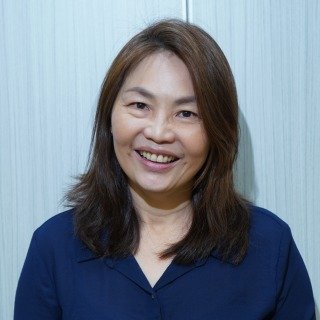
Gwen Koh
Ms Gwen Koh is a well-regarded social service practitioner who has amassed more than 25 years of frontline and supervisory practice. She holds a Bachelor degree in Social Work from the National University of Singapore and a Masters degree in Social Work from Melbourne University, Australia. Gwen is also trained in Identity Oriented Psychotrauma Theory (IoPT), EMDR, among other professional trainings. Having rose up the ranks beginning as a Youth Worker, Gwen is well-acquainted with the structure and the challenges of the local social work scene. She is currently dividing her time running her own private practice as well as serving as the Principal Social Worker in a charity running residential care, fostering service, respite care, youth outreach, adventure therapy and clinical intervention where she supervises younger colleagues. Gwen has served and supported children, adolescents and adults through individual, group, couple/marital and systemic family interventions. Gwen is adept in experiential therapeutic work with clients especially in companioning with them to unravel their strengths and resources, thereby support them towards healing, transformation and growth. Her specialties include working with individuals in dealing with anxieties, trauma, major life transitions, grief and relational challenges.
NCSS (PCG Pre-Approval Funding): 30% ($180)

NTUC UTAP: NTUC union members enjoy 50% unfunded course fee support, capped at $250 or $500 (aged 40 years old and above)
- Target Audience
This course is suitable for:
- Social Workers, Counsellors and Psychologists
- Medical Social Workers working in hospitals and medical institutions
- Psychologists and Counsellors in private practice